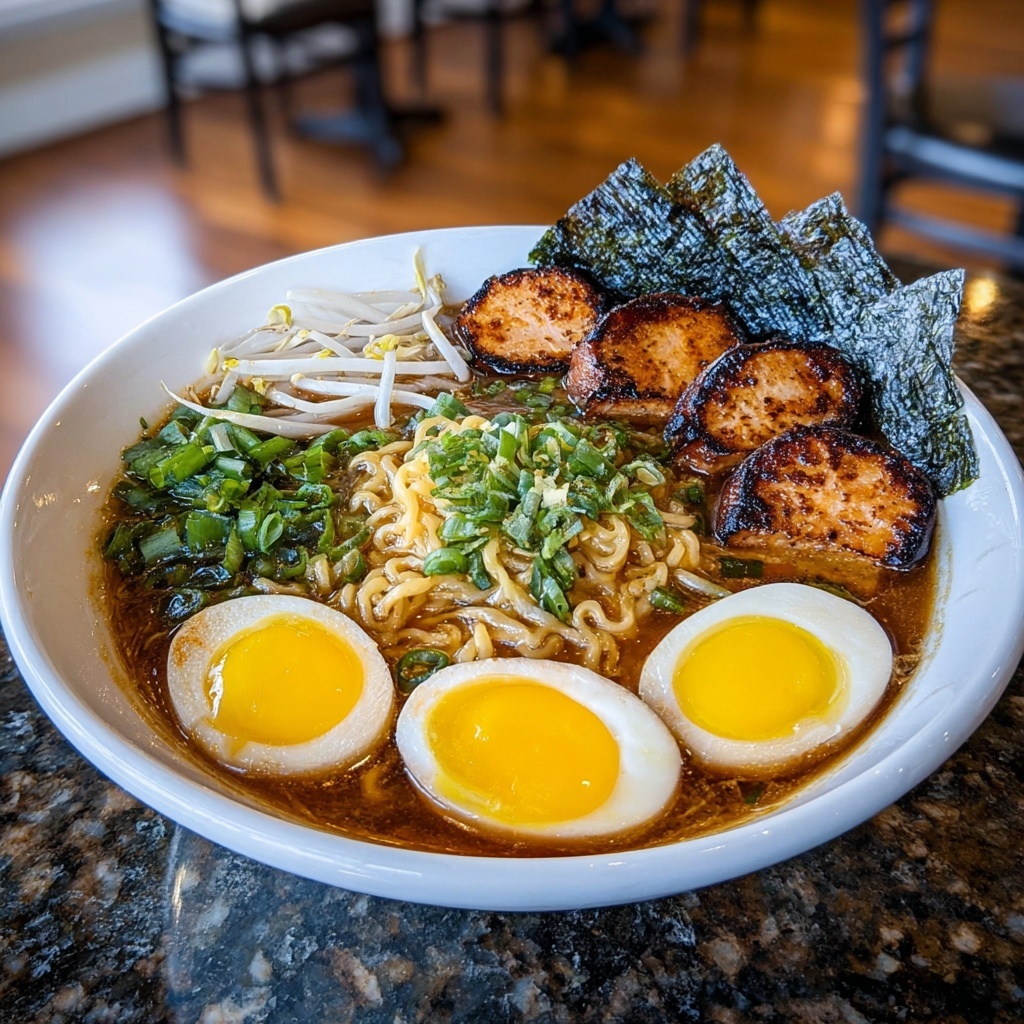
If you’re craving a soul-warming bowl that feels like a hug in a bowl, the Shoyu Ramen Recipe is your new best friend. This legendary Japanese noodle soup boasts a savory soy sauce-based broth that’s deeply flavorful yet beautifully balanced. Every sip offers a perfect harmony of umami from the kombu and chicken stock, subtly sweet notes from mirin, and a tender bite of chewy noodles crowned with delightful toppings. Trust me, this recipe transforms a humble set of ingredients into a bowl full of joy and satisfaction that you’ll want to make again and again.
Ingredients You’ll Need
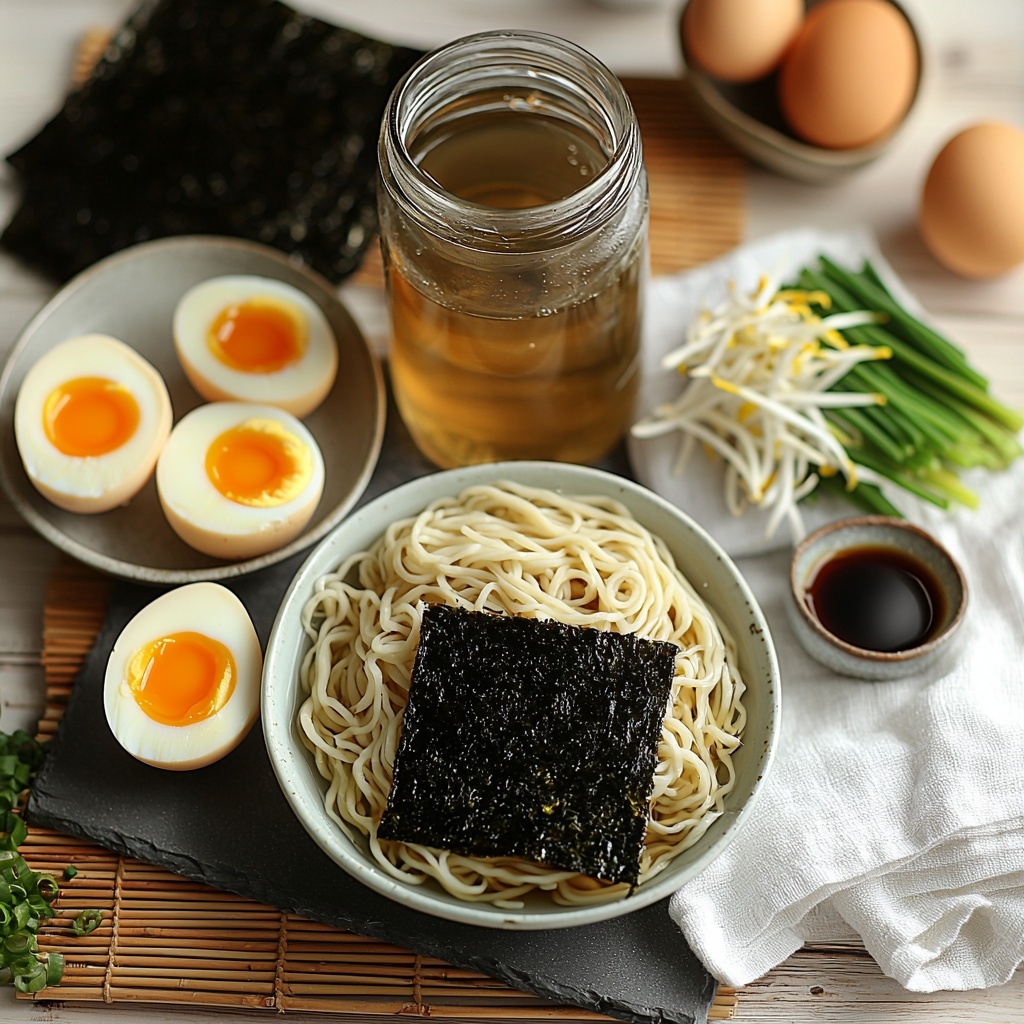
Getting these ingredients right is surprisingly straightforward, but each one plays a crucial role in crafting the perfect Shoyu Ramen Recipe. From the broth’s delicate base to the fresh noodles, these essentials come together to build a flavor-packed, texturally delightful dish.
- 4 cups chicken stock: Creates a rich, hearty foundation packed with savory depth.
- 2 cups water: Balances the broth’s concentration for a lighter, smoother sip.
- 1 piece kombu (dried kelp) (about 4×4 inches): Adds a subtle marine umami that elevates the broth complexity.
- 1/4 cup soy sauce: The heart of the shoyu flavor, lending saltiness and depth.
- 2 tbsp mirin: Provides gentle sweetness to soften and round out the broth.
- 1 tbsp sake: Adds subtle acidity and umami enhancing overall taste.
- 2 servings ramen noodles (fresh or dried): The chewy noodles bring the comforting texture ramen is famous for.
- 2 soft-boiled eggs: Creamy yolks add richness and visual appeal.
- 4 slices chashu beef: Tender pork slices that soak up broth and add smoky flavor.
- 1/2 cup bean sprouts: Introduce a refreshing crunch and brightness.
- 2 green onions (thinly sliced): Bring subtle sharpness and color contrast.
- 1 sheet nori (cut into strips): Adds a toasted seaweed aroma and a slight crisp texture.
How to Make Shoyu Ramen Recipe
Step 1: Prepare the Broth Base
Start by combining the chicken stock, water, and the kombu in a large pot. Let the kombu soak for about 20 minutes to gently infuse the broth with its characteristic umami without overpowering the delicate flavors. This soaking sets the stage for an authentically light yet flavorful foundation.
Step 2: Heat and Remove Kombu
Place the pot over medium heat and slowly bring it up to nearly boiling. Watch carefully and just before it boils, take out the kombu to avoid bitterness. This step ensures your broth remains clear and balanced, capturing that subtle sea essence that’s signature to shoyu types.
Step 3: Add Seasonings and Simmer
Once the kombu is removed, stir in the soy sauce, mirin, and sake. These three ingredients marry together into a harmonious trio that delivers salty, sweet, and tangy layers to the broth. Let it simmer gently for 10 minutes, allowing the flavors to meld beautifully.
Step 4: Cook the Ramen Noodles
While the broth simmers, cook your ramen noodles according to the package instructions, whether fresh or dried. Properly cooked noodles should be tender but still have a pleasant chewiness that stands up perfectly in the broth.
Step 5: Assemble the Ramen Bowls
Divide the drained noodles between serving bowls. Ladle the piping hot broth over the noodles, then artistically arrange your toppings: the soft-boiled eggs, tender chashu slices, crunchy bean sprouts, bright green onions, and nori strips. Each addition provides flavor, texture, and color, turning a simple bowl into a feast for the senses.
How to Serve Shoyu Ramen Recipe
Garnishes
To truly elevate your bowl, consider adding extra garnishes like toasted sesame seeds, a hint of chili oil for mild heat, or fresh nori strips for a crisp, oceanic finish. These touches add complexity and invite you to experiment with textures and flavors creatively.
Side Dishes
Shoyu ramen pairs wonderfully with light sides to balance the richness. Try steamed edamame sprinkled with sea salt, a crisp cucumber salad with a zingy dressing, or even a small plate of vegetable tempura for added crunch and variety.
Creative Ways to Present
For a bit of fun, serve your ramen in rustic ceramic bowls that retain heat well and highlight the vibrant colors of your ingredients. Layer toppings thoughtfully to showcase each component, or even offer small condiment bowls so guests can personalize spiciness and seasoning at the table.
Make Ahead and Storage
Storing Leftovers
If you happen to have leftover broth or noodles, store them separately in airtight containers in the refrigerator. Keeping the broth chilled will maintain its flavor, while noodles tend to soften if left in liquid too long.
Freezing
The broth freezes surprisingly well, so pour it into freezer-safe containers for up to a month. Avoid freezing cooked noodles or toppings as they lose their ideal textures during thawing.
Reheating
Reheat broth gently over low heat to preserve flavor, and re-cook or quickly blanch fresh noodles to restore their springy texture before assembling your bowl again. Adding fresh toppings when serving will guarantee a bowl that tastes freshly made.
FAQs
Can I substitute chicken stock with vegetable stock?
Absolutely! Using vegetable stock will result in a lighter broth and is perfect if you prefer a vegetarian version, but the deep umami will be slightly less intense compared to traditional chicken stock.
What’s the best way to cook ramen noodles?
The key is to follow package instructions closely and cook until just tender with a little bite left. Overcooked noodles become mushy and lose that essential ramen texture that makes every bite satisfying.
How can I make the broth more flavorful?
Try gently simmering with aromatics like garlic or ginger, or add a splash of bonito flakes during the broth-making process for a smoky umami punch. Just be mindful not to overpower the delicate balance of the shoyu base.
Can I prepare the broth in advance?
Yes, the broth actually tastes better the next day after the flavors have had time to meld. Prepare it ahead, store it refrigerated, and gently reheat before serving with fresh noodles and toppings.
What if I don’t have mirin or sake?
You can substitute mirin with a mixture of sugar and water or a sweet white wine, and sake with dry sherry or white wine. These swaps won’t be identical but will maintain the overall sweet and acidic balance important to the Shoyu Ramen Recipe.
Final Thoughts
Making this Shoyu Ramen Recipe at home is like inviting warmth, comfort, and a little bit of magic into your kitchen. With its approachable ingredients and straightforward steps, you’ll find this dish to be an absolute delight that satisfies both the heart and the palate. Give it a try and watch how this humble bowl becomes your new favorite weeknight dinner or a weekend treat that never disappoints.
Print
Shoyu Ramen Recipe
- Prep Time: 10 minutes
- Cook Time: 40 minutes
- Total Time: 50 minutes
- Yield: 2 servings
- Category: Soup
- Method: Stovetop
- Cuisine: Japanese
Description
A comforting and flavorful Shoyu Ramen recipe featuring a savory soy-based broth infused with kombu, tender ramen noodles, and classic toppings including soft-boiled eggs, chashu beef, bean sprouts, green onions, and nori strips. Perfect for a satisfying homemade Japanese-style noodle soup.
Ingredients
Broth
- 4 cups chicken stock
- 2 cups water
- 1 piece kombu (dried kelp), about 4×4 inches
- 1/4 cup soy sauce
- 2 tbsp mirin
- 1 tbsp sake
Noodles and Toppings
- 2 servings ramen noodles (fresh or dried)
- 2 soft-boiled eggs
- 4 slices chashu beef
- 1/2 cup bean sprouts
- 2 green onions, thinly sliced
- 1 sheet nori, cut into strips
Instructions
- Prepare the broth base: Combine chicken stock, water, and the piece of kombu in a large pot. Allow the mixture to soak for 20 minutes to extract the kombu’s umami flavor.
- Heat the broth: Place the pot over medium heat and warm the broth until it is nearly boiling. Just before it reaches a full boil, remove the kombu to prevent bitterness.
- Season the broth: Add the soy sauce, mirin, and sake to the hot broth. Let the mixture simmer gently for 10 minutes so the flavors meld together.
- Cook the noodles: Prepare the ramen noodles according to the package instructions, usually boiling for a few minutes until tender. Drain the noodles and distribute them into serving bowls.
- Assemble the ramen bowls: Ladle the hot, seasoned broth over the noodles. Arrange the soft-boiled eggs, chashu beef slices, bean sprouts, green onions, and nori strips attractively on top for garnish and added texture.
Notes
- Kombu is key for umami; do not let the broth boil with it inside to avoid bitterness.
- Soft-boiled eggs can be prepared ahead of time and marinated if desired for extra flavor.
- Fresh ramen noodles provide the best texture but dried noodles are a convenient alternative.
- Adjust soy sauce amount to taste if you prefer saltier or lighter broth.
- Additional toppings like bamboo shoots, corn, or mushrooms can be added for variation.