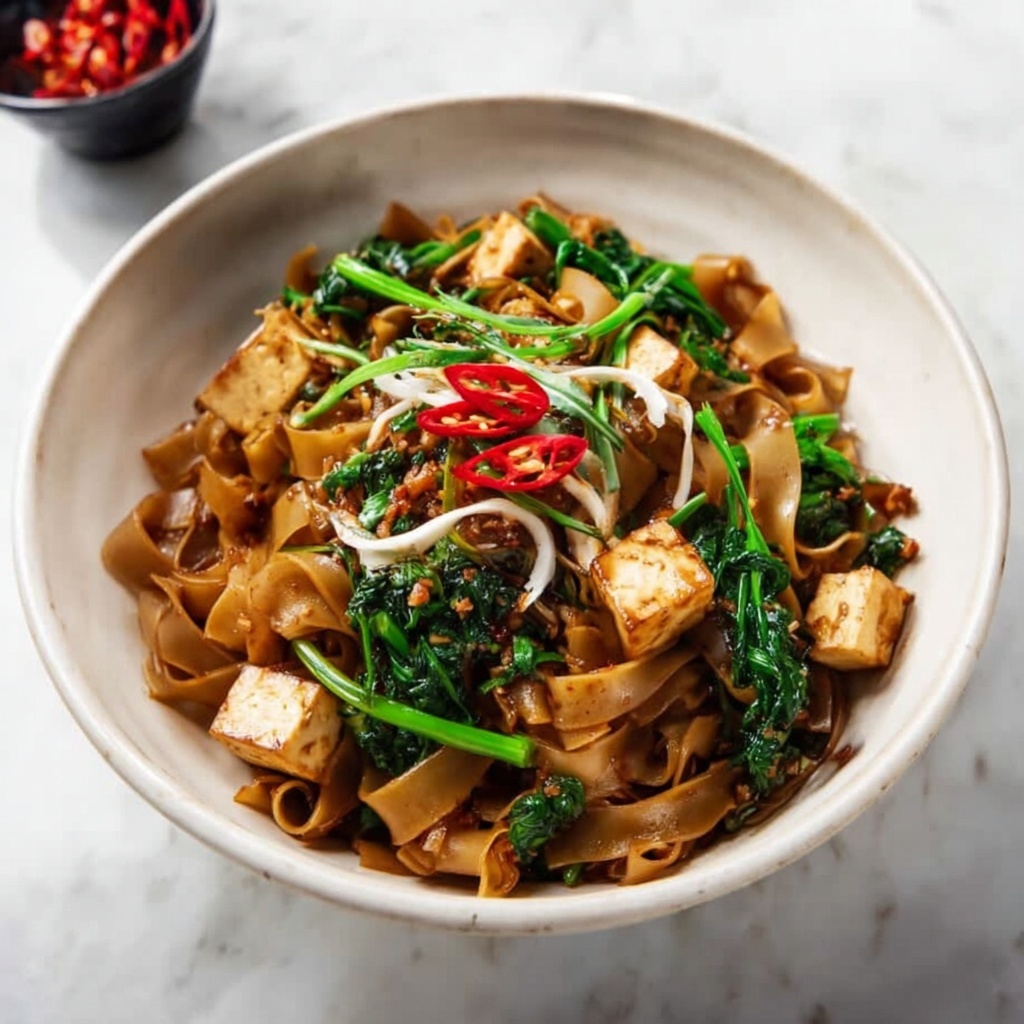
There is nothing quite like the bold, vibrant flavors of Pad Kee Mao, and this Pad Kee Mao (Drunken Noodles) Recipe captures everything that makes this Thai street food classic so irresistible. With wide, chewy rice noodles tossed in a savory, spicy sauce and fragrant holy basil, it delivers a perfect harmony of heat, sweetness, and umami. Whether you are new to Thai cuisine or a longtime fan, this dish is a spectacular way to bring a delicious, satisfying meal straight to your table in under 20 minutes.
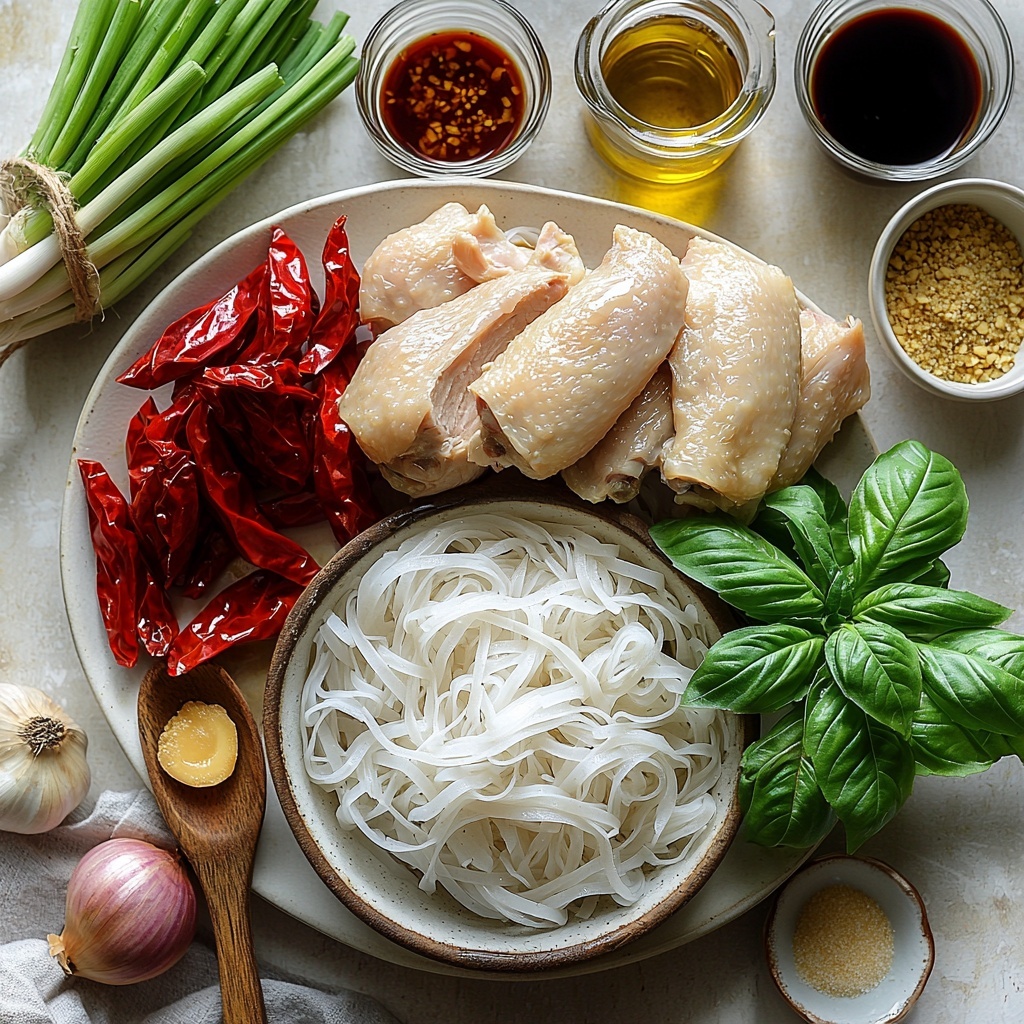
Ingredients You’ll Need
The best thing about this Pad Kee Mao (Drunken Noodles) Recipe is how simple yet deliberate each ingredient is. Every component plays a vital role, from the lively chilies that add heat to the fresh basil leaves that bring incredible aroma and brightness. Let’s look at what you’ll need to make this stir-fry come alive.
- 7 oz / 200g dried wide rice noodles: These broad noodles offer the perfect chewy texture and soak up the sauce beautifully.
- 200g / 7oz chicken thighs: Tender and juicy, these pieces add meaty richness; chicken breast works too but thighs are more forgiving.
- 3 large cloves garlic, minced: Garlic provides a pungent, savory base that wakes up the entire dish.
- 2 birds eye chilies or Thai chilies, deseeded and finely chopped: These tiny powerhouses bring authentic, fiery heat—adjust to taste!
- 1/2 onion, sliced: Adds a subtle sweetness and crunch with every bite.
- 2 green onions, cut into 3cm (2″) pieces: Their mild sharpness complements the stronger flavors and adds freshness.
- 1 cup Thai or Thai Holy Basil leaves: Essential for that unmistakable herbaceous and slightly peppery aroma; regular basil can be a fallback.
- 2 tbsp oil (peanut, vegetable, or canola): Needed to get that perfect hot sear and quick stir-fry.
- 2 tsp fish sauce (or soy sauce for vegetarian option): This salty, umami-packed ingredient deepens the flavor.
- 3 tbsp oyster sauce: Adds a sweet-savory kick with a touch of richness.
- 1 1/2 tbsp light soy sauce: For a balanced, salty flavor without coloring the dish too dark.
- 1 1/2 tbsp dark soy sauce: Brings a deeper color and mellower sweetness.
- 2 tsp sugar: Balances all the salty and spicy components with a touch of sweetness.
- 1 tbsp water: Helps blend the sauce into a smooth coating for the noodles.
How to Make Pad Kee Mao (Drunken Noodles) Recipe
Step 1: Prepare the noodles
First things first, cook your dried wide rice noodles as per the package instructions until they’re tender but still springy. Once cooked, drain and set them aside. Properly cooked noodles are the foundation that carries all the flavors, so don’t overcook!
Step 2: Mix the sauce
In a small bowl, whisk together oyster sauce, light soy sauce, dark soy sauce, sugar, and water. This combination creates the complex, perfectly balanced sauce that clings to each noodle strand and ingredient, marrying sweet, salty, and savory notes beautifully.
Step 3: Heat up the oil
Get your wok or a large heavy-bottomed skillet scorching hot over high heat and pour in the oil. The shimmering oil is crucial to properly searing the ingredients and helping to quickly lock in their flavors.
Step 4: Sauté the aromatics
Throw in the minced garlic and finely chopped chilies, stir-frying for about 10 seconds. Be careful with this step—the intense aroma of chili and garlic will fill the air—and it’s a sign your dish is already coming alive. Avoid breathing in the fumes directly to prevent coughing.
Step 5: Cook the onions
Add the sliced onions to the wok and stir-fry for around 1 minute. You want them softened but still crisp enough to add texture contrast to the noodles.
Step 6: Add the chicken
Next, toss in the chicken pieces with 2 teaspoons of fish sauce. Stir-fry vigorously for about 2 minutes until the chicken is fully cooked through and tender, locking in that luscious savory flavor.
Step 7: Combine noodles and sauce
In goes the green onions, followed by the drained noodles and your carefully prepared sauce. Stir everything together over high heat for 1 minute so the sauce thickens slightly and coats every ingredient evenly—this is where the magic really happens.
Step 8: Finish with basil
Remove the wok from the heat and immediately add the holy basil leaves. Toss gently so the residual heat wilts the basil just enough to release its signature aroma without making it limp. This herb is what truly sets this dish apart.
Step 9: Serve hot
Plate your Pad Kee Mao immediately while it’s piping hot, making sure you get a little bit of everything in each serving. Fresh, flavorful, and spicy—this dish is guaranteed to impress!
How to Serve Pad Kee Mao (Drunken Noodles) Recipe
Garnishes
For an extra touch of authenticity, sprinkle sliced fresh red chilies or a wedge of lime on the side. These garnishes let diners dial up the heat or add zesty brightness to their liking.
Side Dishes
Pad Kee Mao is a wonderful standalone meal, but pairing it with a light cucumber salad or crispy spring rolls creates a balanced Thai spread. Pickled vegetables also complement the rich noodles exceptionally well.
Creative Ways to Present
For a fun twist, serve your Pad Kee Mao in individual mini-woks or shallow bowls lined with fresh basil leaves underneath. This elevates the presentation and bursts the basil aroma from the moment you dig in.
Make Ahead and Storage
Storing Leftovers
If you have any leftovers, place them in an airtight container and refrigerate promptly. They will keep well for 1 to 2 days. The noodles may absorb some sauce and become softer, but reheating brings back much of the original texture.
Freezing
Freezing Pad Kee Mao is possible but not ideal because the rice noodles might become mushy after thawing. If you must freeze, use a freezer-safe container and consume within 1 month for best quality.
Reheating
Reheat leftovers in a hot skillet or wok over medium-high heat with a splash of water or oil to loosen up the noodles. Stir frequently until heated through to prevent sticking and regain that fresh-off-the-wok taste.
FAQs
Can I make Pad Kee Mao vegetarian?
Absolutely! Simply substitute the chicken with tofu or mixed vegetables and swap fish sauce for soy sauce to keep it fully plant-based without sacrificing flavor.
What type of basil should I use?
Thai holy basil is traditional and imparts a spicy, peppery aroma. If you cannot find it, regular sweet basil works as a substitute but the flavor profile will be milder.
How spicy is Pad Kee Mao typically?
Typically, it has a fiery kick thanks to the birds eye chilies, but you can adjust the level to your preference by reducing or omitting the chilies or leaving in the seeds for extra heat.
Can I use fresh rice noodles?
Yes, fresh wide rice noodles can be used and often require less cooking time. Just be gentle when stir-frying so they don’t break apart.
Is Pad Kee Mao really made with alcohol?
Despite the name “Drunken Noodles,” the dish does not contain alcohol. The name is thought to refer to the spiciness that pairs well with drinks or the informal, easy-going style of the dish.
Final Thoughts
There is something truly magical about whipping up a plate of Pad Kee Mao (Drunken Noodles) Recipe at home. It’s fast, bursting with flavor, and wonderfully satisfying. I encourage you to give it a try—the vibrant balance of spicy, sweet, salty, and herbaceous notes will have you coming back for more in no time. Trust me, once you’ve mastered this recipe, it will become an absolute favorite in your weeknight dinner rotation.
Print
Pad Kee Mao (Drunken Noodles) Recipe
- Prep Time: 5 minutes
- Cook Time: 11 minutes
- Total Time: 16 minutes
- Yield: 2 servings
- Category: Main Course
- Method: Stovetop
- Cuisine: Thai
Description
Pad Kee Mao, also known as Drunken Noodles, is a popular Thai stir-fried noodle dish featuring wide rice noodles, tender chicken, and vibrant Thai basil leaves. The dish balances savory, sweet, and spicy flavors from a combination of soy sauces, oyster sauce, and fresh chilies, all quickly stir-fried to maintain freshness and texture. Perfect for a quick yet flavorful meal, this recipe offers a delightful experience of authentic Thai street food with minimal preparation time.
Ingredients
Noodles
- 7 oz / 200g dried wide rice noodles
Protein
- 200g / 7oz chicken thighs, cut into bite-size pieces (breast as substitute)
Aromatics and Vegetables
- 3 large cloves garlic, minced
- 2 birds eye chilies or Thai chilies, deseeded and very finely chopped
- 1/2 onion, sliced
- 2 green onions, cut into 3cm (2″) pieces
- 1 cup Thai or Thai Holy Basil leaves (substitute with regular basil if unavailable)
Sauces and Oils
- 2 tbsp oil (peanut, vegetable, or canola oil)
- 2 tsp fish sauce (or soy sauce for vegetarian option)
- 3 tbsp oyster sauce
- 1 1/2 tbsp light soy sauce
- 1 1/2 tbsp dark soy sauce
- 2 tsp sugar
- 1 tbsp water
Instructions
- Prepare noodles: Cook the dried rice noodles according to the package directions until tender. Drain and set aside to use later in the stir-fry.
- Mix sauce: In a small bowl, combine the oyster sauce, light soy sauce, dark soy sauce, sugar, and water. Stir thoroughly to create a balanced savory and slightly sweet sauce mixture.
- Heat oil: Warm the oil in a wok or large heavy-bottomed skillet over high heat until shimmering hot to ensure quick and effective stir-frying.
- Sauté aromatics: Add the minced garlic and chopped chilies to the hot oil. Stir-fry for about 10 seconds, being cautious with the chili fumes as they can be quite potent.
- Cook onions: Add the sliced onions to the wok and stir-fry for about 1 minute, just until they are slightly softened but still retain some crispness.
- Add chicken: Incorporate the chicken pieces into the wok along with 2 teaspoons of fish sauce. Stir-fry for around 2 minutes until the chicken is cooked through and no longer pink inside.
- Combine ingredients: Add the green onions, prepared noodles, and the mixed sauce to the wok. Stir-fry everything together for 1 minute to allow the sauce to reduce slightly and evenly coat the noodles and chicken.
- Finish with basil: Remove the wok from heat and immediately add the Thai basil leaves. Toss gently until the basil wilts slightly, releasing its fragrant aroma without losing texture.
- Serve: Transfer the Pad Kee Mao to plates and serve piping hot for the best flavor and texture experience.
Notes
- Traditional Thai Holy Basil provides the authentic flavor, but regular basil can be used as a substitute if unavailable.
- Adjust the number of chilies according to your preferred spice level.
- Chicken breast can be substituted for thighs, but thighs retain moisture better.
- For a vegetarian version, replace fish sauce with soy sauce and omit oyster sauce or use a vegetarian oyster sauce alternative.
- Do not overcook the noodles during boiling as they will cook further during stir-frying.
- Use a wok or large skillet with high heat to achieve the characteristic ‘wok hei’ flavor.