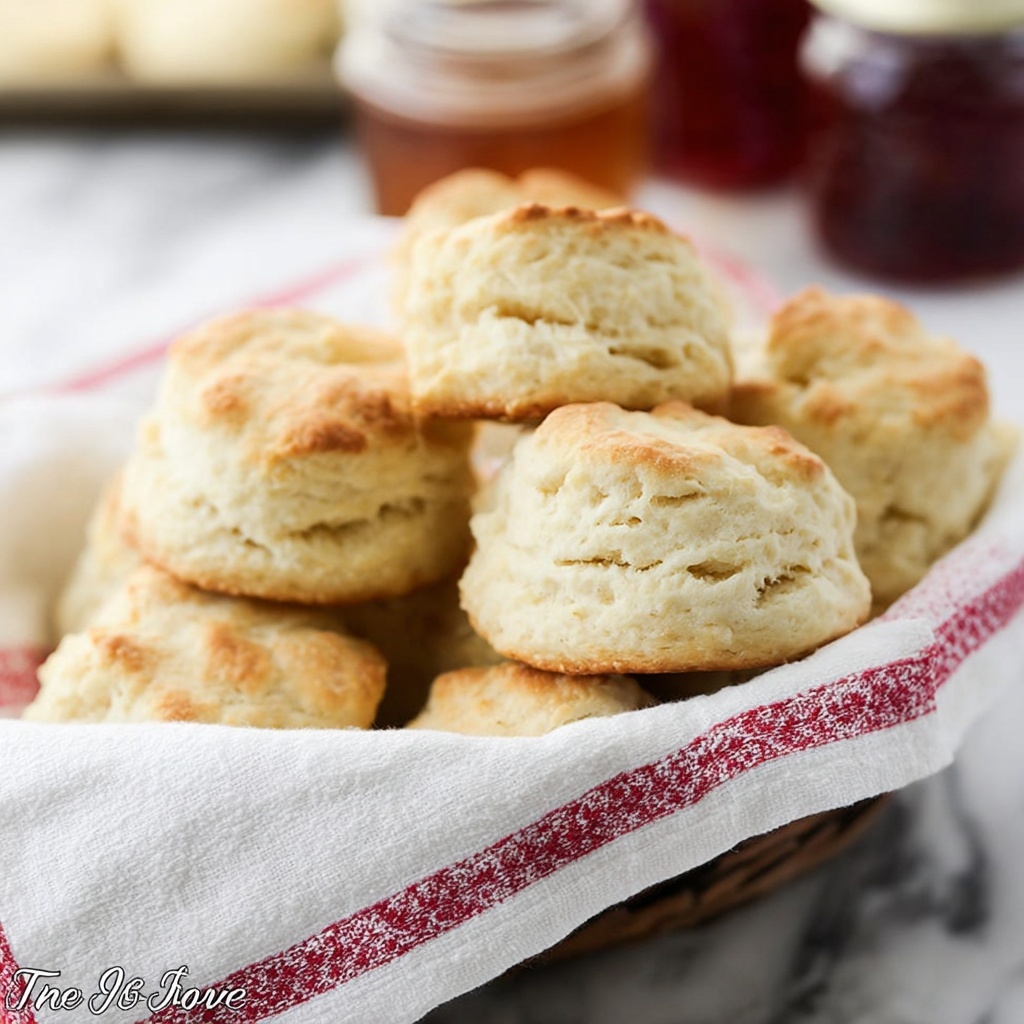
If you’re craving a warm, flaky, and melt-in-your-mouth biscuit, I have just the thing for you: an Easy Buttermilk Biscuits Recipe that will become your new favorite. These biscuits are golden, tender, and delightfully buttery, made with a simple handful of ingredients that come together effortlessly. Whether you’re a seasoned baker or just starting out, this recipe is designed to give you foolproof, bakery-worthy biscuits right in your own kitchen. Let me walk you through every delicious step to create these perfect bites of comfort.
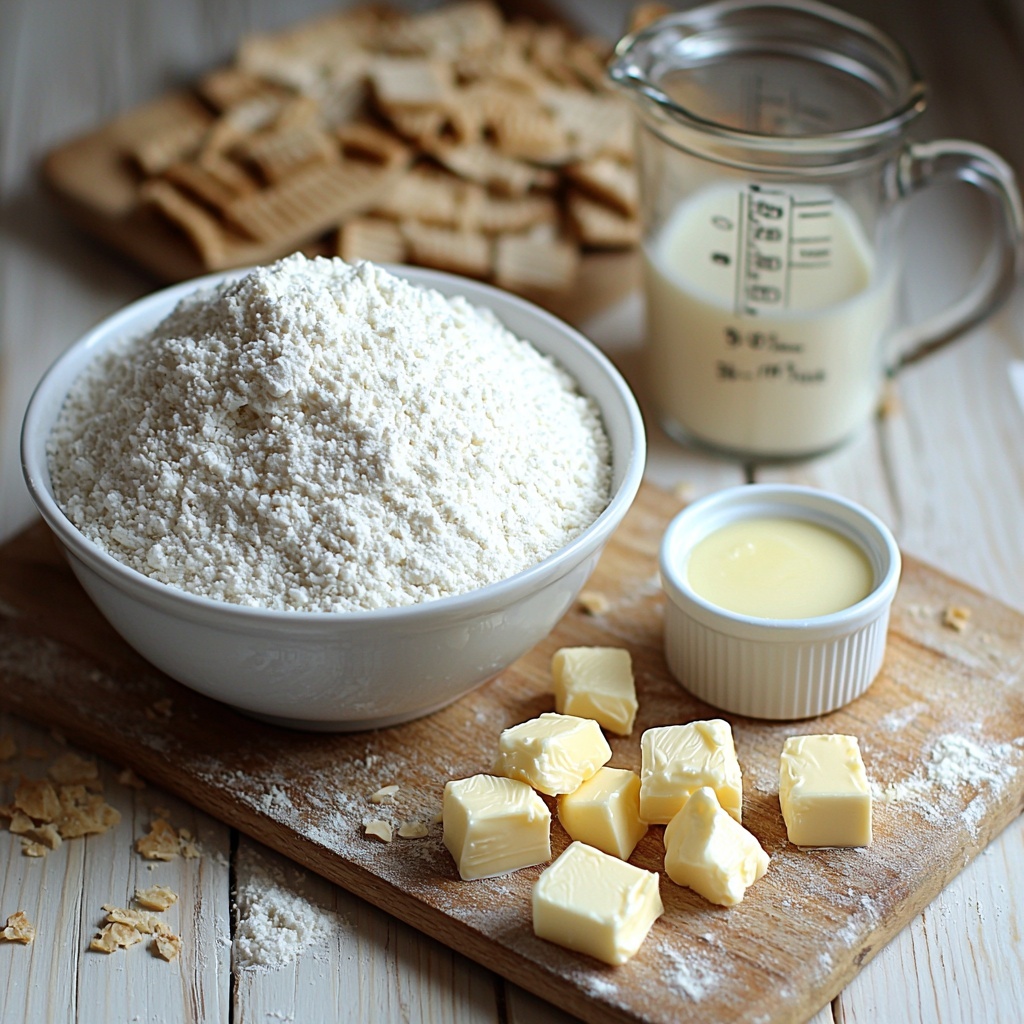
Ingredients You’ll Need
Getting ready to bake these buttermilk biscuits is a breeze because the ingredients are basic and honest, each playing a vital role in achieving that perfect texture and flavor. From the self-rising flour that helps them puff up beautifully, to the cold butter that brings in flaky layers, every component matters.
- 2 cups White Lily Self-Rising Flour: This flour gives you built-in leavening for fluffy biscuits without extra fuss.
- 1/2 cup cold unsalted butter: Chilled butter is key for flaky layers; the coldness keeps the dough light and airy.
- 3/4 cup cultured nonfat buttermilk: Adds a tangy flavor and tender crumb thanks to its acidity.
- 2 tablespoons unsalted butter, melted: Brushed on top for that beautiful golden finish and rich taste.
How to Make Easy Buttermilk Biscuits Recipe
Step 1: Prepare Your Oven and Baking Surface
Start by heating your oven to 450°F. Line a baking pan with a silicone mat or parchment paper to ensure the biscuits bake evenly without sticking. This initial step sets the stage for perfectly browned bottoms and easy cleanup.
Step 2: Measure and Combine Your Flour
In a large bowl, spoon the self-rising flour into your measuring cup and level it off for accuracy. Precise measuring ensures your biscuits rise just right and maintain a tender crumb.
Step 3: Cut in the Butter
Next, cut the cold butter into the flour using a pastry blender until the butter pieces resemble small peas. Alternatively, grate frozen butter directly into the flour and stir. This technique results in pockets of butter within the dough, which create those coveted flaky layers when baked.
Step 4: Add the Buttermilk and Form the Dough
Pour in the cultured buttermilk and gently stir until just combined. The dough will feel like thick mashed potatoes—moist but slightly sticky. If it’s too sticky to handle, sprinkle in a bit more flour; if it’s crumbly, add a little more buttermilk. Finding this balance makes all the difference.
Step 5: Fold and Layer for Flakiness
Turn your dough onto a floured surface and knead just a few times to bring it together. Flatten the dough into a rectangle and fold it like a letter into thirds, known as a tri-fold. Repeat this process three times, dusting with flour as needed to prevent sticking. These folds develop the delicate layers that are so delightful in a biscuit.
Step 6: Cut Out the Biscuits
Roll the dough out to about 3/4 to 1 inch thick and use a floured biscuit cutter (about 2 to 2.5 inches) to cut out your biscuits with firm, straight-down pressure—no twisting, as that can seal the edges and inhibit rising. Place the biscuits close together on the baking tray for soft sides or spaced out for crispier edges.
Step 7: Bake and Finish with Butter
Use any leftover dough to cut additional biscuits until you have 10 to 12 total. Brush the tops with the melted butter for extra golden color and irresistible flavor, then bake for approximately 15 minutes until beautifully golden brown. Your kitchen will smell like pure comfort.
How to Serve Easy Buttermilk Biscuits Recipe
Garnishes
These biscuits are a fantastic canvas for toppings. Try a bit of honey butter for sweetness or a smear of homemade jam for added fruitiness. A sprinkle of flaky sea salt on top before baking adds a delightful finishing touch. Fresh herbs like rosemary or thyme can also be mixed into the dough or sprinkled on top for an aromatic twist.
Side Dishes
Buttermilk biscuits pair with so many dishes that it’s hard to go wrong. They’re legendary alongside classic Southern staples like fried chicken, creamy gravy, or collard greens. For breakfast, serve them with scrambled eggs, sausage patties, or a drizzle of maple syrup. Any hearty soup or stew benefits from the addition of these tender, buttery biscuits to soak up every last drop.
Creative Ways to Present
Want to impress your friends? Turn these Easy Buttermilk Biscuits into mini slider buns filled with pulled pork or crispy bacon and cheddar. You can also slice them open and make breakfast sandwiches with egg, cheese, and avocado. For a sweet treat, split one and fill with whipped cream and fresh berries for an easy yet elegant dessert.
Make Ahead and Storage
Storing Leftovers
If you have leftover biscuits (which sometimes happens, but probably won’t last long), store them in an airtight container at room temperature. They’ll stay fresh for about two days while retaining their soft texture. Reheating them gently helps revive their original charm.
Freezing
You can freeze baked biscuits wrapped tightly in foil or plastic wrap, then sealed in a freezer bag for up to three months. For unbaked biscuits, prepare and cut your dough, place the biscuits on a baking sheet to freeze until firm, then transfer to a bag. This way, you can bake fresh biscuits any time you want without extra effort.
Reheating
To bring your biscuits back to life, warm them in a 300°F oven for 10 to 12 minutes or pop them in a microwave for about 20 seconds if you’re in a hurry. Brushing a little melted butter over them before reheating adds moisture and flavor, just like they’re freshly baked.
FAQs
Can I use regular flour instead of self-rising flour?
You can, but you’ll need to add leavening agents like baking powder and salt to mimic self-rising flour. This recipe uses self-rising flour for simplicity and consistent rise, making your biscuits extra fluffy without measuring extra ingredients.
Why is cold butter important?
Cold butter creates steam pockets as it melts during baking, leading to those irresistible flaky layers. If the butter is too warm or soft, the biscuits can turn out dense and greasy rather than light and tender.
Can I substitute buttermilk?
If you don’t have cultured buttermilk, you can make a quick substitute by adding 1 tablespoon of lemon juice or vinegar to 3/4 cup of milk. Let it sit for a few minutes to curdle before using. This acidity helps with tenderness and flavor.
How do I store the biscuit dough if I want to bake them later?
You can wrap the prepared dough tightly in plastic wrap and refrigerate it for up to 24 hours before rolling and cutting. This slow chill enhances the flavor and helps with handling, though you may need to let it sit at room temperature briefly before shaping.
Why do some biscuits turn out dry or tough?
The secret to tender biscuits is handling the dough as little as possible and using the right balance of wet and dry ingredients. Over-kneading or adding too much flour can make biscuits tough. Also, be mindful not to twist your cutter when cutting—this can seal the edges and reduce rise.
Final Thoughts
Now that you have this Easy Buttermilk Biscuits Recipe in your culinary toolkit, I hope you dive right in and discover how simple it is to bake biscuits that rival any bakery’s. With just a handful of straightforward ingredients and a few loving steps, you’ll have warm, flaky, buttery biscuits to enjoy with any meal or even just with a generous pat of butter and a sip of tea. Happy baking!
Print
Easy Buttermilk Biscuits Recipe
- Prep Time: 15 minutes
- Cook Time: 15 minutes
- Total Time: 30 minutes
- Yield: 10 to 12 biscuits
- Category: Breakfast
- Method: Baking
- Cuisine: American
Description
This Easy Buttermilk Biscuits recipe delivers fluffy, flaky, and tender biscuits with a buttery flavor, perfect for breakfast or any meal. Made with simple ingredients like self-rising flour, cold unsalted butter, and cultured nonfat buttermilk, these biscuits bake quickly to a golden brown and can be enjoyed with your favorite jams, honey, or savory accompaniments.
Ingredients
Dry Ingredients
- 2 cups White Lily Self-Rising Flour
Butter
- 1/2 cup cold unsalted butter
- 2 tablespoons unsalted butter, melted (for brushing)
Liquids
- 3/4 cup cultured nonfat buttermilk
Instructions
- Preheat the oven: Preheat your oven to 450°F (232°C) and prepare a baking pan by lining it with a silicone baking mat or parchment paper to prevent sticking and ensure even baking.
- Measure the flour: In a large bowl, spoon the White Lily self-rising flour into a dry measuring cup and level it off for accuracy, then pour it into the mixing bowl.
- Cut in the butter: Cut the cold unsalted butter into the flour using a pastry blender until the pieces are about the size of small peas. Alternatively, freeze the butter and grate it with a box grater, then stir it into the flour to combine. This step is essential to create the flaky texture.
- Add the buttermilk: Pour in the cultured nonfat buttermilk and gently stir until just combined. The dough should have the consistency of thick mashed potatoes — sticky but manageable. If it’s too sticky, add a bit more flour; if it’s too dry, add a splash more buttermilk.
- Knead and fold the dough: Turn the dough onto a floured surface. Knead lightly a few times until it holds together well. Then flatten into a rectangle and fold it in a tri-fold manner to create flaky layers. Repeat dusting with flour and folding this way about three times in total.
- Cut out the biscuits: Flatten the dough to about 3/4 to 1 inch thick. Using a floured, sharp biscuit cutter (2 to 2 1/2 inches in diameter), cut the biscuits with a quick straight down motion—do not twist the cutter to preserve layers. Place biscuits on the baking pan close together for soft edges or spaced apart for more crunch.
- Re-roll and cut more biscuits: Gather the remaining dough, flatten, and cut additional biscuits until you have about 10 to 12 in total.
- Brush with melted butter & bake: Brush the tops of each biscuit with melted butter to promote browning and flavor. Bake in the preheated oven for about 15 minutes or until golden brown.
Notes
- Use cold butter and cold buttermilk for the best flaky texture.
- Do not overmix the dough; biscuits should be tender and flaky, not tough.
- Avoid twisting the biscuit cutter to keep the edges from sealing, which helps them rise better.
- For softer biscuits, place them touching on the baking sheet; for crispier edges, space them out.
- Biscuits are best enjoyed warm, fresh from the oven.